Dram Shop Experts provides expert witness services specializing in alcohol-related liability cases, including negligence in bar operations, over-serving, intoxication management, and compliance with state dram shop laws.
Home > FAQ – Dram Shop Liability and Expert Witnesses

Dram shop liability refers to laws that hold bars, restaurants, liquor stores, and other establishments accountable when they serve alcohol to a visibly intoxicated person or a minor who then causes injury, death, or property damage. Liability is based on the idea that overservice is negligent and creates foreseeable risks.
Example: A bar serves a patron who is stumbling and slurring words. The patron then drives and causes a crash. The bar may be liable for damages under dram shop law.
No. Dram shop statutes exist in most states, but not all. For example:
Because each state law is different, attorneys often rely on expert witnesses to interpret how liability applies in that jurisdiction.
A dram shop expert witness is a professional with specialized knowledge of alcohol service, hospitality operations, and industry standards. Courts recognize them as qualified to give opinions that help judges and juries understand whether an establishment acted reasonably when serving alcohol.
They provide:
Under Rule 702 of the Federal Rules of Evidence (and state equivalents), an expert must be qualified by knowledge, skill, experience, training, or education. In dram shop cases, this often means:
Dram shop experts are used in cases involving:
Dram shop experts analyze a wide range of materials, including:
This evidence helps them reconstruct what happened and whether intoxication was visible.
Fees vary depending on the expert’s experience, location, and involvement. Common fee structures include:
Costs are generally borne by the hiring attorney or their client, though in some cases fees may be recoverable in litigation.
Both. Credible dram shop experts remain neutral and are hired by either side depending on the case:
The most effective experts are those who can credibly testify on either side because it shows impartiality.
Signs of visible intoxication include both physical and behavioral symptoms:
Servers are trained to recognize these signs and stop service. Failing to do so can create liability.
Intoxication timeline analysis is a method experts use to reconstruct how much alcohol a patron consumed and when intoxication became visible. It often involves:
This analysis helps juries understand whether staff should have recognized intoxication at the time of service.
In some states, like Texas, bars and restaurants may claim Safe Harborprotections if they can show that:
If proven, Safe Harbor may shield the business from liability. Experts often testify about whether these conditions were actually met.
Security is closely tied to dram shop liability. When overserved patrons cause fights, assaults, or other disturbances, inadequate security may be considered negligent.
Courts evaluate whether security measures were reasonable given the risk factors. Experts help by comparing the venue’s practices to industry standards.
Yes. Attorneys often hire experts before trial because their reports can influence negotiations. A strong expert opinion may encourage early settlement, saving both sides the cost of litigation.
Jurors may see receipts or footage but not understand how alcohol service works. Experts provide context:
This professional insight bridges the gap between evidence and liability.
Strong experts share common traits:
Dram shop liability and expert witness testimony are complex but essential parts of alcohol-related litigation. From proving visible intoxication to analyzing timelines and evaluating policies, expert witnesses provide the insights attorneys and juries need to understand whether service was responsible or negligent.
For attorneys, partnering with a skilled expert can make the difference between winning and losing a case. For establishments, understanding these principles can reduce risk and protect both patrons and businesses.


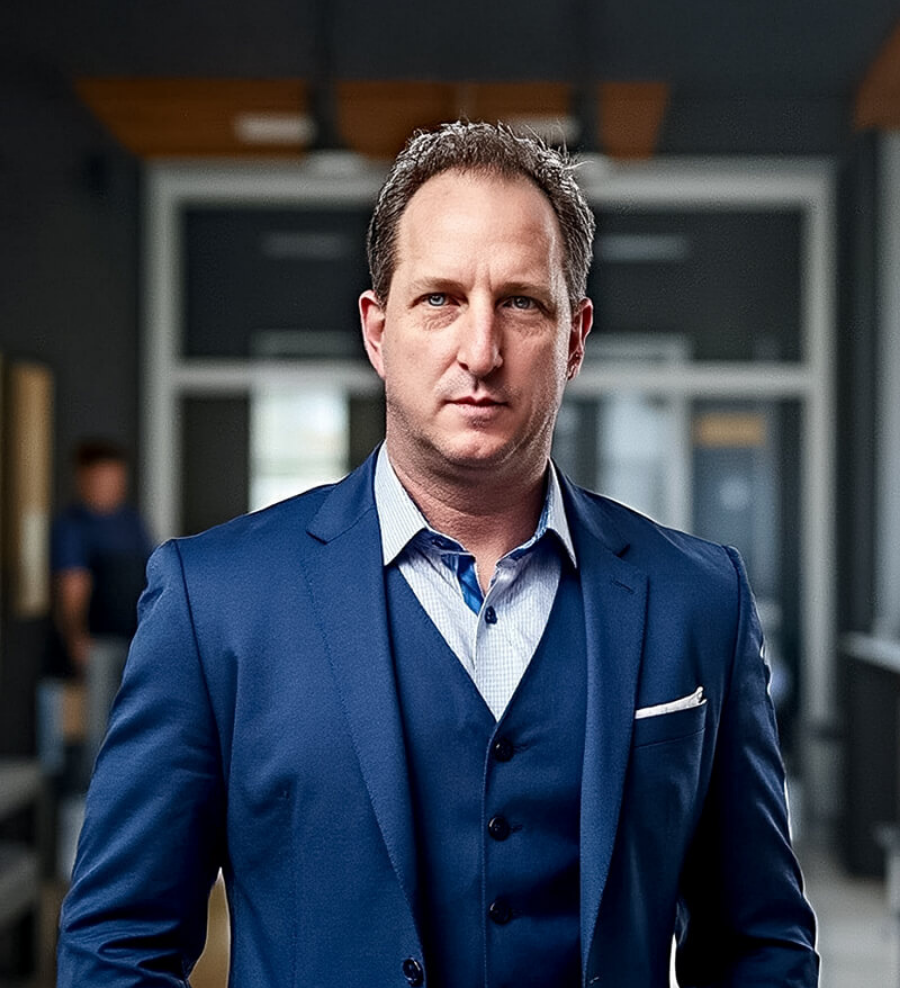
Ryan Dahlstrom is a nationally recognized expert witness with over 35 years of hands-on experience in the hospitality and entertainment industries. He has managed and advised bars, restaurants, nightclubs, and multi-unit operations across the United States, and he specializes in cases involving dram shop liability, negligent security, and responsible alcohol service practices.
Ryan has been retained by both plaintiff and defense attorneys nationwide to provide expert opinions, deposition testimony, and courtroom analysis in complex alcohol-related cases. His deep understanding of state dram shop statutes, Safe Harbor protections, intoxication timeline analysis, and security standards makes him a trusted authority in litigation involving overservice, intoxication, and venue liability.
dram shop expert witness testimony
A dram shop expert witness plays a critical role in legal cases involving alcohol service liability. Their primary responsibilities include analyzing evidence, providing expert testimony, and educating the court on relevant laws and industry standards. These experts help clarify complex issues related to dram shop liability, ensuring that juries and judges understand the nuances of alcohol service and the implications of negligence.
In addition to testifying in court, dram shop experts often assist attorneys in preparing cases by offering insights into best practices for alcohol service and identifying potential liabilities. They review case-specific details, such as surveillance footage and witness statements, to provide a comprehensive understanding of the circumstances surrounding each incident. Their expertise can significantly influence the outcome of a case by providing credible, evidence-based opinions.
Effective collaboration between attorneys and dram shop experts is essential for building a strong case. Attorneys should begin by clearly communicating their case objectives and the specific issues they need the expert to address. This collaboration ensures that the expert can tailor their analysis and testimony to support the attorney's legal strategy, enhancing the overall effectiveness of the case.
Additionally, attorneys should provide dram shop experts with all relevant materials, including police reports, medical records, and evidence of alcohol service practices. By facilitating open communication and sharing comprehensive information, attorneys can maximize the expert's contributions, leading to more persuasive arguments and potentially favorable outcomes in litigation.
Recent trends in dram shop liability cases indicate an increasing focus on the responsibilities of alcohol-serving establishments regarding patron safety. Courts are becoming more stringent in enforcing dram shop laws, particularly in states with robust statutes. This shift is prompting businesses to implement more rigorous training programs for staff and adopt better practices for managing intoxicated patrons, ultimately aiming to reduce liability risks.
Furthermore, the rise of technology in the hospitality industry, such as the use of surveillance systems and digital transaction records, is influencing how evidence is gathered and presented in dram shop cases. These advancements enable more accurate assessments of service practices and patron behavior, which can significantly impact the outcomes of legal disputes involving alcohol service liability.
One common misconception about dram shop liability is that all alcohol-serving establishments are equally liable for any incidents involving intoxicated patrons. In reality, liability often depends on various factors, including state laws, the establishment's training practices, and the specific circumstances of each case. Understanding these nuances is crucial for both businesses and legal professionals navigating dram shop laws.
Another misconception is that expert witnesses are only needed in high-profile cases. In fact, even smaller cases can benefit significantly from the insights of a dram shop expert. Their expertise can help clarify complex issues and provide a strong foundation for legal arguments, making it essential for attorneys to consider expert testimony in all dram shop-related cases, regardless of their perceived complexity.