What is a Dram Shop Expert Witness
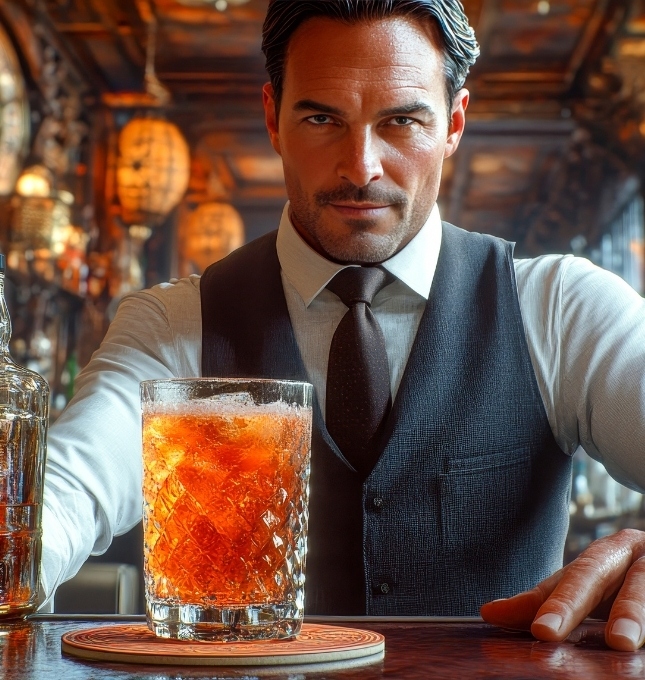
Man in a vest and tie presenting a glass of whiskey on the bar, symbolizing the role of dram shop expert witnesses in alcohol liability cases.

What is a Dram Shop Expert Witness?

When lawsuits involve alcohol service and liability, attorneys often rely on dram shop expert witnesses. These are seasoned professionals with deep industry experience who provide critical analysis, opinions, and testimony in cases where a bar, restaurant, nightclub, or similar establishment is accused of negligently serving alcohol. Their role is to bridge the gap between complex industry standards and the courtroom, explaining to judges and juries what should have happened and how failures may have contributed to injuries, damages, or fatalities.

Definition and Role of a Dram Shop Expert Witness

A dram shop expert witness is an individual recognized by the court as having specialized knowledge in alcohol service, dram shop law, and industry standards. Unlike fact witnesses, who testify about what they saw or heard, expert witnesses provide opinions that help the court understand whether an establishment acted within or outside the accepted standard of care.

How Courts Define “Expert Witness”

Under Federal Rule of Evidence 702 (and corresponding state rules), an expert witness is qualified by knowledge, skill, experience, training, or education. In dram shop cases, this often includes years of hands-on management of alcohol-serving venues, certification in responsible alcohol service programs, or extensive background in hospitality operations.

Duties in Dram Shop Cases

Line pattern illustrating the concept of shape and form, relevant to discussions of operational standards in hospitality and liquor liability cases.

Qualifications and Experience

Because dram shop cases hinge on understanding the nuances of alcohol service, an expert’s credibility is often measured by real-world experience rather than academic degrees alone.

Industry Experience vs. Academic Credentials

Many effective dram shop experts have decades of experience running bars, restaurants, and nightclubs, where they developed an intimate knowledge of alcohol service policies, customer behavior, and risk management practices. Some experts supplement this with advanced certifications or academic backgrounds in hospitality, toxicology, or law enforcement.

How Experts Are Admitted in Court

Before testimony, courts may hold a Daubert or Frye hearing to determine whether the expert’s testimony is reliable and relevant. Attorneys must demonstrate that the witness’s knowledge will help the jury understand industry standards, safe alcohol service, and whether negligence occurred.

Importance in Litigation

In dram shop litigation, the plaintiff must prove that an establishment continued to serve an intoxicated patron and that this overservice directly contributed to an accident or injury. Expert witnesses play a critical role in establishing these elements.

Explaining Alcohol Service Standards to Juries

Most jurors have never managed a bar or been trained in alcohol service. Experts explain how staff are trained to identify visible intoxication, when they must refuse service, and what steps are considered reasonable in the industry.

Establishing Breach of Duty and Causation

Through detailed analysis, experts show how the establishment’s actions (or inactions) violated state laws or industry best practices, and how those failures caused harm. This makes the difference between speculation and legal proof.

How Attorneys Use Expert Witnesses

Dram shop experts work with both plaintiff and defense attorneys to evaluate liability and strengthen cases.

Case Evaluations

Before litigation, experts help attorneys determine whether there is enough evidence to pursue or defend a case. They review incident reports, alcohol receipts, staff training logs, and police records.

Depositions

Experts are deposed to explain their findings under oath. They may be asked to defend their opinions against opposing counsel and clarify complex technical issues for the record.

Trial Testimon

In the courtroom, experts testify before a judge or jury, using their expertise to explain visible intoxication, alcohol service practices, and causation in plain, relatable terms.

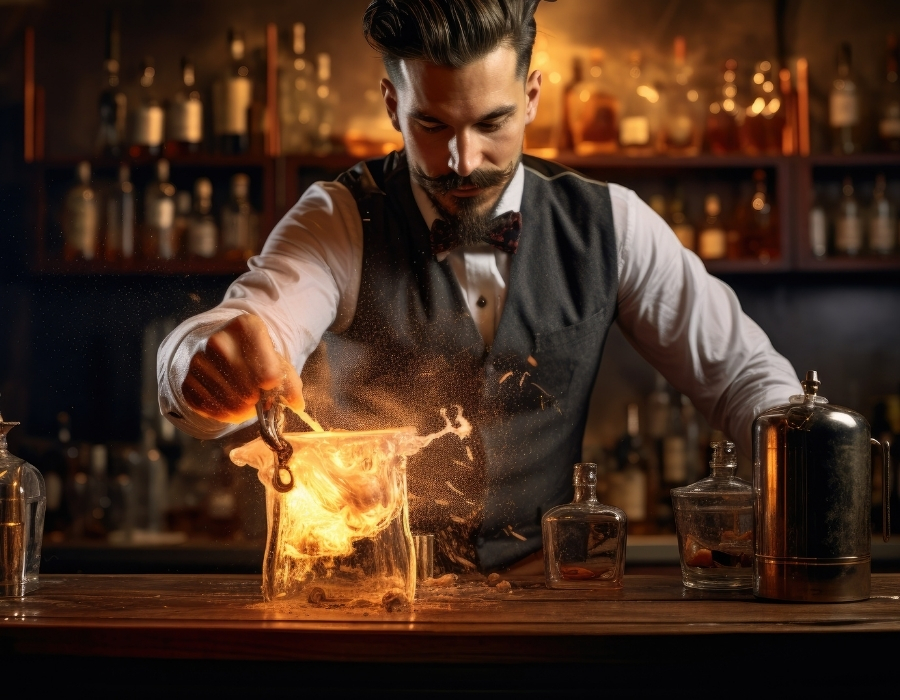
Bartender demonstrating cocktail preparation with flames, showcasing responsible alcohol service practices relevant to dram shop expert witness testimony.

Common Areas of Expert Testimony

Dram shop expert witnesses provide opinions on several recurring themes in litigation:
Case Merit Evaluation & Initial Analysis
Explaining how a bartender or server should have recognized impairment.
Thorough Review of Evidence
Defining what responsible service looks like in real-world operations.
Detailed Expert Witness Reports
Analyzing whether a business qualifies for statutory protections (e.g., Texas TABC Safe Harbor).
Deposition & Trial Testimony
Calculating how many drinks a patron consumed and how intoxicated they would have been at the time of service.
Assistance in Case Strategy
Reviewing whether proper staffing, ID checks, and intervention policies were in place.

Industry Standards and Best Practices

A major role of the expert is to show how alcohol service should be conducted.

Responsible Beverage Service Training

Programs like TIPS, TAM, ServSafe, and TABC establish national and state-specific best practices. Experts explain whether staff were trained and whether that training was applied in practice.

Written Policies and Procedures

Bars and restaurants are expected to have clear alcohol service policies. Experts evaluate whether these were in place, communicated to staff, and enforced.

Incident Documentation

When overservice occurs, establishments should document refusals of service, disturbances, or ejections. The absence of proper documentation is often a red flag in litigation.

Why Expert Witnesses Are Needed in Dram Shop Cases

Without expert witnesses, juries are left with conflicting testimony from bartenders, managers, or patrons. Experts provide an objective, professional lens that clarifies:

  • Whether visible intoxication was present
  • What reasonable service would have required
  • How alcohol service contributed to damages

This allows attorneys to present a stronger case backed by credible, professional analysis.

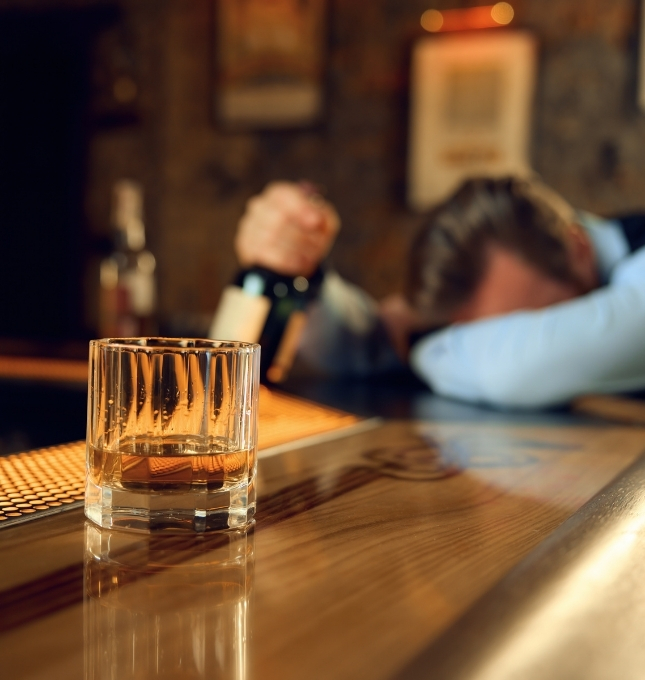
Man with head down on bar, holding a bottle, and a glass of whiskey in foreground, illustrating issues of alcohol service and overservice in bars and restaurants.

Choosing the Right Dram Shop Expert

Not all experts are equal. Attorneys must carefully vet qualifications to ensure credibility and admissibility.

Key Qualities to Look For

  • Hands-On Experience – years in alcohol-serving environments
  • Knowledge of State Laws – familiarity with specific dram shop statutes
  • Litigation Experience – comfort with depositions and courtroom testimony
  • Neutrality – ability to testify credibly for plaintiffs or defendants

The Value of Early Involvement

  • Engaging an expert early helps attorneys shape case strategy, identify weaknesses, and prepare evidence effectively before trial.
Conclusion

A dram shop expert witness provides the knowledge and perspective that attorneys and juries need to understand complex alcohol service issues. By bridging the gap between hospitality operations and legal standards, these experts ensure that courts can fairly evaluate whether negligence occurred. Whether testifying for plaintiffs or defendants, their opinions often make the difference between winning and losing a case.

Bartender preparing cocktail with smoke effects in a vibrant bar setting, highlighting responsible alcohol service and hospitality expertise.
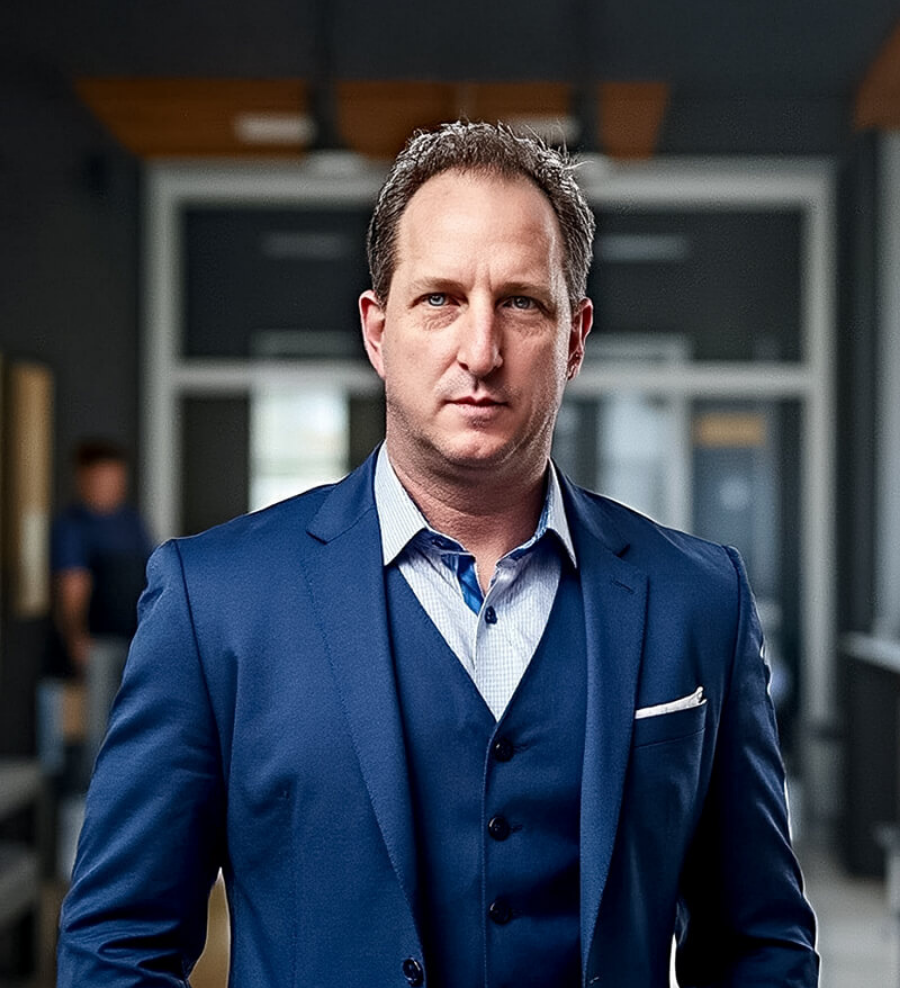
Ryan Dahlstrom, expert witness in premises liability, wearing a blue suit, standing confidently in a professional setting, emphasizing operational expertise for legal consultations.

Ryan Dahlstrom – Dram Shop Expert Witness

Ryan Dahlstrom is a nationally recognized expert witness with over 35 years of hands-on experience in the hospitality and entertainment industries. He has managed and advised bars, restaurants, nightclubs, and multi-unit operations across the United States, and he specializes in cases involving dram shop liability, negligent security, and responsible alcohol service practices.

Ryan has been retained by both plaintiff and defense attorneys nationwide to provide expert opinions, deposition testimony, and courtroom analysis in complex alcohol-related cases. His deep understanding of state dram shop statutes, Safe Harbor protections, intoxication timeline analysis, and security standards makes him a trusted authority in litigation involving overservice, intoxication, and venue liability.