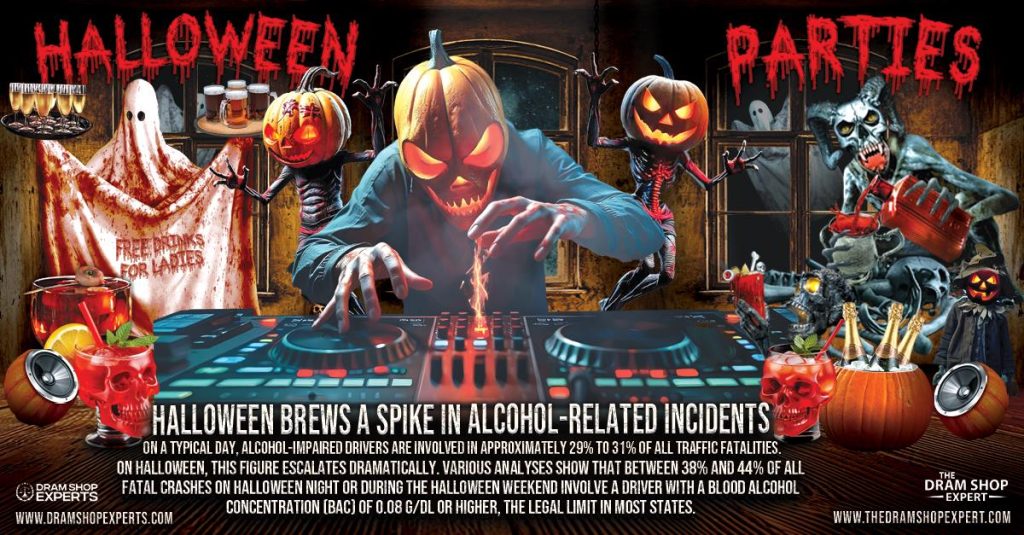
The holiday season brings a powerful mix of celebration, travel, family gatherings, and large nightlife events. Bars, restaurants, private venues, and special events see record attendance throughout November and December. While these festivities create memorable experiences, they also lead to a surge in overservice, intoxication, underage drinking, and alcohol-related injuries. For attorneys navigating these claims, holiday alcohol liability cases demand more detailed attention than typical dram shop matters. As a Dram Shop Expert Witness, I have spent years studying how seasonal pressure influences service decisions, supervision, and risk management inside alcohol-serving establishments.
For readers who want to know more about my background and professional qualifications, you can visit the About Ryan Dahlstrom page to understand why attorneys rely on my opinions in complex alcohol liability cases.
This article explains the unique characteristics of holiday alcohol incidents, the role of expert analysis in these investigations, the prevention strategies that protect venues and guests, and the importance of structured legal expertise in modern search environments. It also includes internal links that help visitors explore related topics such as the Case Review Process and Dram Shop Laws by State, which strengthen the depth and authority of your website’s topical coverage.
What Makes Holiday Alcohol Liability Cases Unique
Holiday months introduce a set of risks that differ significantly from normal service conditions. Alcohol consumption rises dramatically as people attend parties, reunions, corporate events, and nightlife gatherings. Patrons often arrive with elevated expectations for celebration, which means faster consumption, higher levels of excitement, and more willingness to drink beyond their limits.
Staffing is another factor. Many venues hire seasonal employees who may lack proper training in alcohol service, intoxication recognition, ID verification, or incident documentation. These temporary staff members often work alongside permanent employees during peak hours, creating inconsistent levels of experience on the floor.
Overservice is one of the most recurring problems in holiday cases. Busy bartenders and servers have less time to observe customer behavior or track consumption patterns. A guest who drinks quickly or receives drinks from multiple sources can become intoxicated long before the server realizes a problem is developing. Blind spots occur easily in crowded or noisy environments, making intoxication risk management even more critical.
Underage service also becomes more common during this period. College students return home, and large groups often arrive together, creating situations where checking IDs becomes rushed or disorganized. Even a single error in ID verification can create severe liability under dram shop law.
Many holiday cases also involve conflicts or fights. Elevated emotions, crowded spaces, and intoxication can produce conditions where aggressive behavior escalates without prompt intervention. When reviewing these claims, I often identify missing documentation, absent security oversight, or unclear staff communication as contributing factors.
Attorneys evaluating these incidents benefit from the industry insight an expert witness provides. Expert Witness Testimony becomes especially valuable in these reviews. These seasonal cases frequently expose:
Incomplete staff training Records that fail to document refusals of service Inconsistent ID verification No written policies for handling intoxicated guests Missing incident logs or witness statements
If you want more detail on state-specific rules, a complete legal overview is available on the Dram Shop Laws by State page.
How a Dram Shop Expert Witness Strengthens Your Case
When alcohol service leads to harm, attorneys need clear, structured analysis that examines what happened inside the establishment. Dram shop cases combine legal interpretation with industry standards, and expert testimony is often the only way to bridge these two areas. That is why expert witness involvement begins early in the case timeline, often before litigation is filed.
My work typically starts with a thorough review of evidence. This includes bar policies, service logs, surveillance footage, depositions, photos, and statements from both staff and witnesses. By comparing these materials to established training standards, responsible service practices, and industry guidelines, I can determine whether the venue acted reasonably or whether staff behavior contributed to the events that followed.
Expert witness reports help attorneys understand how a server should have recognized visible intoxication, how management should have supervised the floor, and how security should have handled escalating behavior. These reports often become central pieces of evidence in depositions or mediation.
Explaining these findings in simple terms is critical. Judges and juries need a clear understanding of concepts such as intoxication indicators, refusal procedures, risk assessment, and documentation requirements. An expert witness provides the clarity necessary for the court to evaluate whether negligence occurred.
If you want to understand how I structure these evaluations, you can review the detailed Case Review Process section, which outlines each step from initial evidence review to deposition and trial testimony.
Holiday alcohol liability cases highlight why expert witness involvement is so valuable. The seasonal chaos introduces variables that only someone experienced in nightlife operations, alcohol service, and risk management can properly interpret. These insights help attorneys anticipate objections, identify weaknesses in opposing arguments, and present stronger evidence.
Preventing Liability During the Holiday Rush
Proactive preparation is the most effective way for hospitality operators to reduce risk during holiday months. The combination of increased traffic, inexperienced staff, and elevated guest behavior requires special attention long before the season begins. Establishing clear procedures prevents mistakes that lead to litigation.
Refresher training should be scheduled in advance. Permanent staff need updated instruction on alcohol service laws, intoxication recognition, refusal procedures, and documentation standards. Seasonal employees must be trained quickly, but the training still needs to meet professional requirements. Skipping formal instruction creates significant liability.
ID verification practices must be reinforced as well. Staff should be required to use scanning devices when available and should check details such as expiration dates, holograms, and photo matching. Management should supervise ID checks during peak hours to reduce the chance of underage service slipping through unnoticed.
Security posture is another essential part of holiday preparation. Venues should evaluate where crowding usually occurs, how guests typically move through the space, and where fights or incidents have happened in the past. Security personnel should be positioned in these areas and given clear responsibilities for supporting servers who refuse service or intervene with intoxicated guests.
Incident documentation is often the deciding factor in dram shop cases. Detailed logs help operators defend themselves by showing that they followed responsible service practices. Logs should include date, time, witnesses, observations, steps taken, staff involved, and communication with management. These records demonstrate responsible oversight and provide strong evidence in court.
When operators follow these steps, both business owners and legal teams are better equipped to manage claims. These practices support safer environments and help reduce injuries, conflicts, and alcohol-related harm during the holiday season.
Frequently Asked Questions
Q: What is a dram shop expert witness?
A: A dram shop expert witness provides professional analysis in cases involving alcohol service liability, often helping attorneys determine negligence or compliance in alcohol-related incidents.
Q: What does a dram shop expert witness do?
A: A dram shop expert witness evaluates alcohol service practices and provides professional testimony in cases involving intoxication, overservice, or premises liability.
Q: Who can benefit from hiring a dram shop expert witness?
A: Both plaintiff and defense attorneys rely on expert analysis to understand service standards and liability exposure in alcohol-related cases.
Conclusion
Holiday gatherings are intended to create positive memories, but increased alcohol consumption and crowded celebrations often lead to preventable incidents. Overservice, intoxication, underage drinking, and poor supervision all contribute to claims that require careful analysis. Attorneys handling these cases need a clear understanding of responsible service practices, industry standards, and the decisions that lead to liability.
A Dram Shop Expert Witness provides the professional insight needed to evaluate bartender behavior, management oversight, alcohol service policies, security response, and documentation procedures. These elements form the foundation of a strong legal strategy and help explain how holiday conditions shape the outcome of alcohol liability cases.
For attorneys, insurers, and legal teams seeking case support, expert witness analysis offers clarity, structure, and reliable interpretation of complex evidence. If you need assistance with a dram shop or alcohol liability claim, I offer detailed case reviews, consultation, and testimony for plaintiff and defense counsel nationwide.
For more information or to begin a consultation, contact:
(732) 696-8745
ryan@expertwitness.co
www.TheDramShopExpert.com
I provide rapid, confidential case reviews and clear expert guidance for attorneys handling alcohol service liability matters across the country.