Indicators of Intoxication in Dram Shop Cases

Signs of Visible Intoxication

Signs of visible intoxication play a central role in many dram shop and liquor liability cases. Alcohol vendors such as bars, restaurants, and nightclubs have a responsibility to monitor patrons and stop serving alcohol when a person becomes visibly intoxicated.

When an intoxicated individual later causes injury, attorneys often investigate whether the establishment continued to serve alcohol despite clear signs of intoxication. In these situations, determining whether a patron exhibited signs of visible intoxication becomes a critical issue in the case.

Expert witnesses are frequently retained in dram shop litigation to analyze alcohol service practices and determine whether a bartender or server should have recognized the indicators of intoxication.

Understanding the signs of visible intoxication is essential for evaluating whether alcohol service complied with accepted hospitality industry standards.

BAC chart illustrating alcohol intoxication levels and effects, featuring categories like First Indicators, Visual Intoxication, Gross Intoxication, and Medical Emergency, with corresponding blood alcohol concentration (BAC) ranges and detailed descriptions.

What Is Visible Intoxication?

Visible intoxication refers to observable signs that a person is impaired by alcohol. In dram shop cases, the key question is often whether these signs were apparent at the time alcohol was served.

Alcohol servers are trained to recognize these indicators and discontinue alcohol service when a patron becomes visibly intoxicated.

Dram shop statutes in many states impose liability when alcohol vendors serve alcohol to a visibly intoxicated person who later causes injury.

Because intoxication can manifest in different ways, servers must rely on behavioral and physical indicators to determine when alcohol service should stop.

Common Signs of Visible Intoxication

Grenade-shaped beer bottle with splash, background of barrels, text overlay "HANDLE WITH CARE: ALCOHOL SERVICE IS A RESPONSIBILITY AND A SINGLE BAD DECISION CAN DETONATE A CASE OF LIABILITY," emphasizing alcohol service liability and safety in hospitality.

Alcohol intoxication can produce a variety of observable behaviors and physical symptoms.

Common signs of visible intoxication include:

Bartenders and alcohol servers are typically trained to recognize these indicators and take appropriate action to prevent overserving.

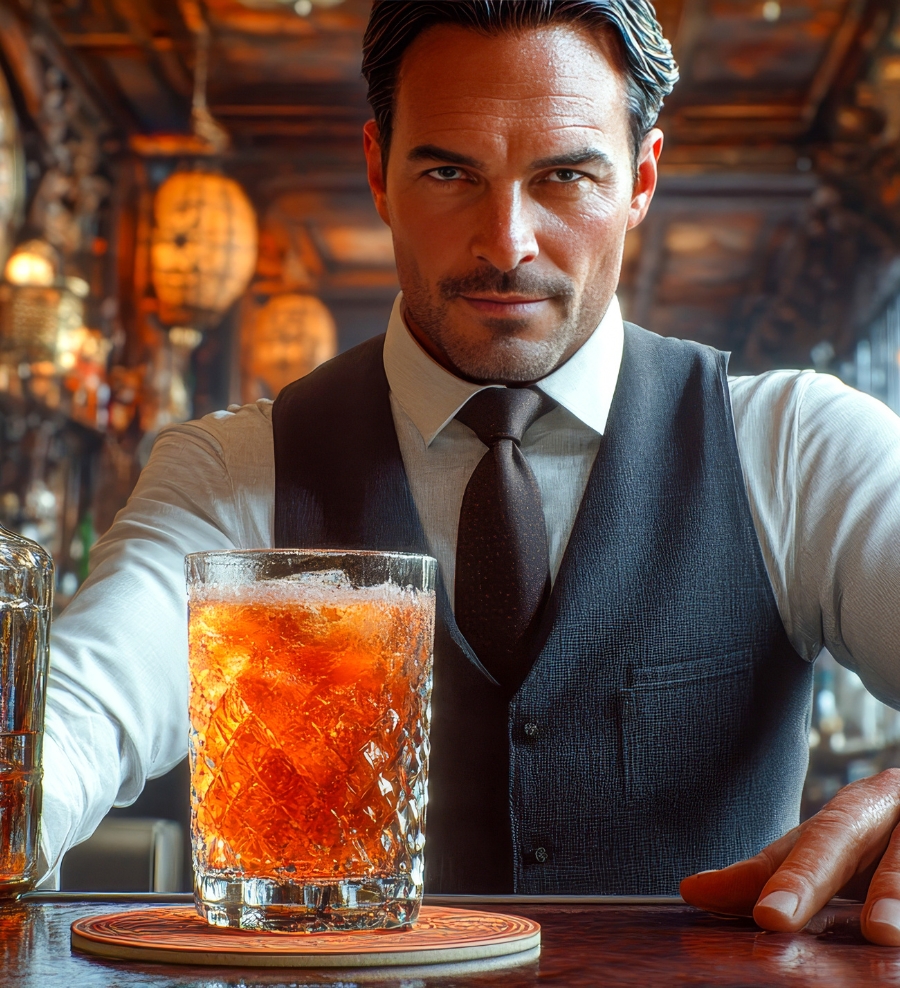
Bartender in a vest presenting a glass of cocktail, emphasizing responsible alcohol service and visible intoxication signs relevant to dram shop liability cases.

Why Visible Intoxication Matters in Dram Shop Cases

In dram shop litigation, the presence of visible intoxication is often the determining factor in whether an alcohol vendor may be held liable.

If a bartender continues to serve alcohol to a patron who is clearly intoxicated, the establishment may face liability when that patron later causes injury or property damage.

Courts frequently examine whether the signs of intoxication were apparent and whether the establishment should have stopped serving alcohol.

Expert witnesses may analyze evidence to determine whether intoxication indicators were present and whether alcohol service should have been discontinued.

How Bartenders Are Trained to Recognize Intoxication

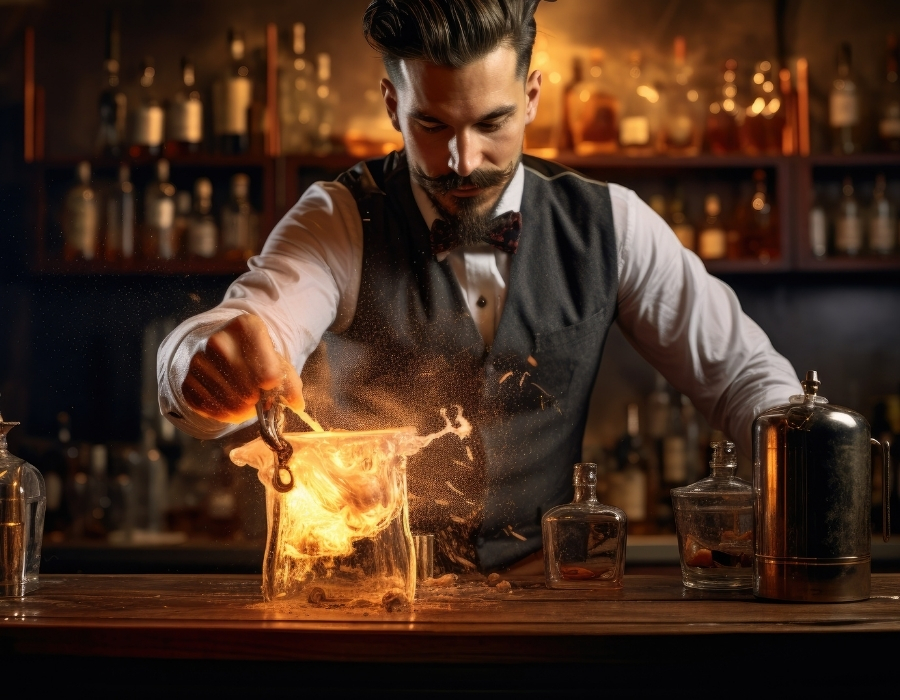
Bartender demonstrating cocktail preparation with flames, showcasing responsible alcohol service practices relevant to dram shop expert witness testimony.

Responsible alcohol service programs are designed to help bartenders and servers identify intoxicated patrons and prevent overserving.

Training programs often teach alcohol servers to:

These training programs are widely used throughout the hospitality industry and form the basis for many alcohol service standards.

Failure to follow responsible service practices may contribute to liability when alcohol service results in injury.

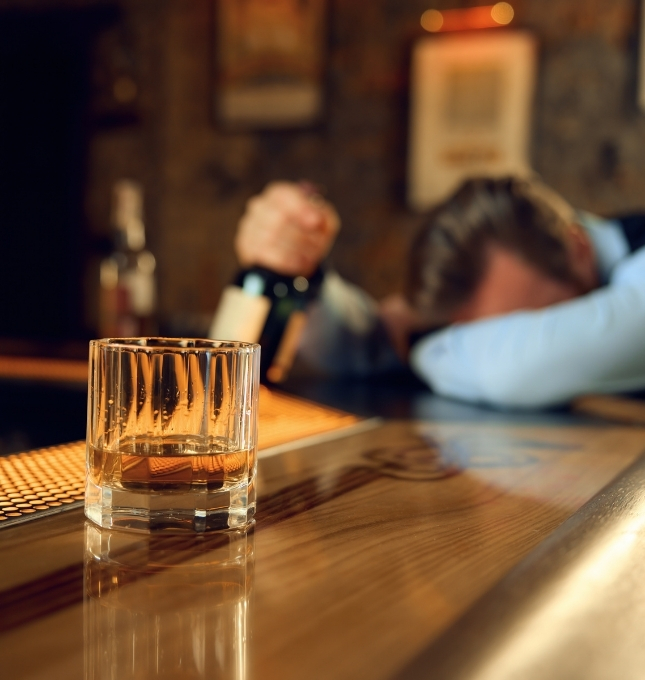
Man with head down on bar, holding a bottle, and a glass of whiskey in foreground, illustrating issues of alcohol service and overservice in bars and restaurants.

Factors That Affect Visible Intoxication

Alcohol affects individuals differently depending on several factors.

These factors may include:

Because these factors vary from person to person, alcohol servers must rely on observable behavior rather than assumptions about intoxication.
In dram shop litigation, expert witnesses may evaluate these factors when analyzing alcohol consumption and intoxication.

Evidence Used to Evaluate Visible Intoxication

Bartender preparing cocktail with smoke effects in a vibrant bar setting, highlighting responsible alcohol service and hospitality expertise.

Determining whether a patron was visibly intoxicated often requires reviewing multiple sources of evidence.

Evidence may include:

Expert witnesses evaluate this evidence to determine whether the patron exhibited signs of intoxication that should have been recognized by alcohol servers.

Relationship Between Visible Intoxication and Overserving

Overserving alcohol occurs when an establishment continues to serve alcohol to a patron who is visibly intoxicated.

In many dram shop cases, attorneys must demonstrate that alcohol service continued despite clear indicators of intoxication.

When these indicators are present, responsible alcohol service standards require bartenders to stop serving alcohol.

Failure to do so may contribute to liability under dram shop statutes or negligence claims.

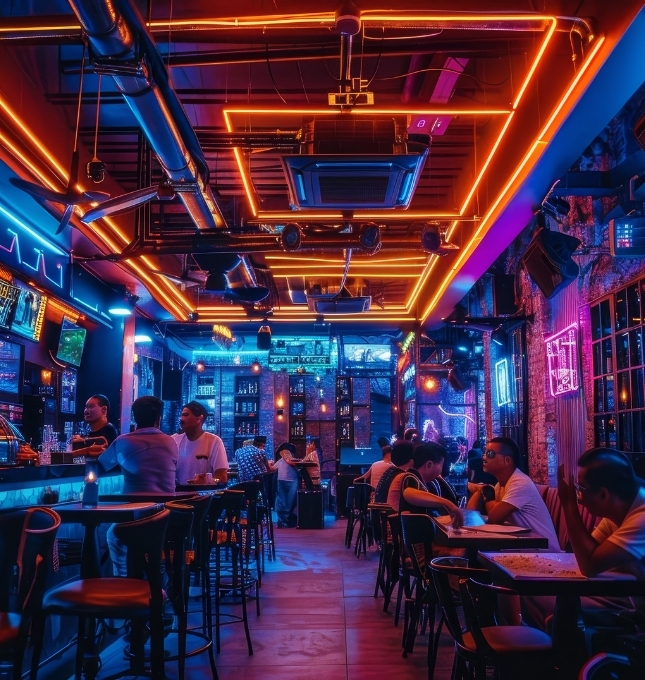
Vibrant bar interior with neon lighting, patrons socializing, and a focus on responsible alcohol service in a hospitality setting, relevant to dram shop law discussions.

Expert Witness Analysis of Visible Intoxication

Expert witnesses frequently analyze signs of intoxication in dram shop litigation.

An expert witness may evaluate:

Expert testimony can help courts understand whether an alcohol vendor followed accepted hospitality industry standards when serving alcohol.

For more information about expert witness services, see:

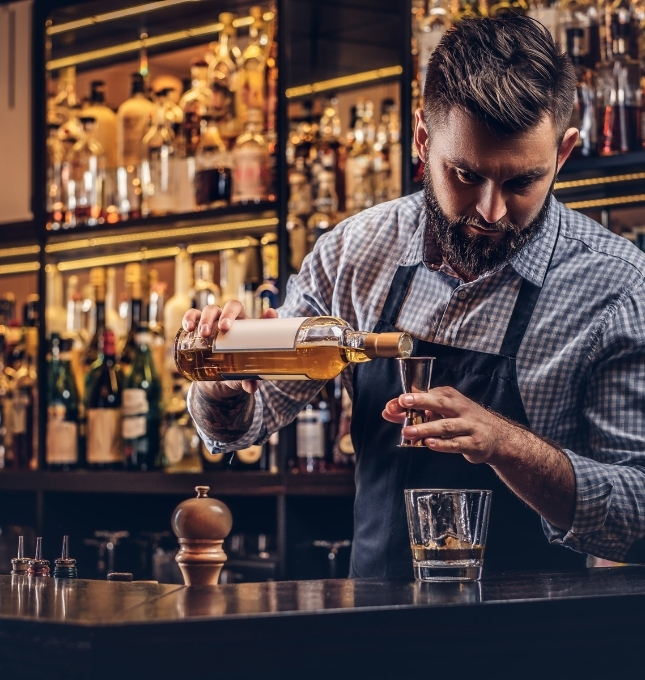
Bartender pouring whiskey into a glass, illustrating alcohol service in a bar setting relevant to dram shop law discussions.

Signs of Visible Intoxication in Dram Shop Litigation

In many dram shop cases, the determination of visible intoxication becomes a key issue in the litigation.

Attorneys often rely on expert analysis to demonstrate that an establishment continued to serve alcohol after intoxication was evident.

This analysis helps courts determine whether the establishment acted negligently and whether alcohol service contributed to the incident.

Understanding the signs of visible intoxication is therefore essential when evaluating dram shop liability.

Request Expert Witness Consultation

Attorneys evaluating dram shop or liquor liability cases may request:

curriculum vitae

fee schedule

case consultation

Expert witness services are available to assist attorneys in evaluating alcohol service practices and intoxication indicators in dram shop litigation.

Send Your Have Any Questions?

Book An Appointment

Frequently Asked Questions About Visible Intoxication

What are signs of visible intoxication?

Signs of visible intoxication are observable behaviors indicating that a person is impaired by alcohol. Common indicators include slurred speech, impaired coordination, aggressive behavior, glassy eyes, and difficulty maintaining balance. Alcohol servers are trained to recognize these indicators and discontinue alcohol service when intoxication becomes apparent.

In dram shop litigation, a person is considered visibly intoxicated when their impairment is apparent through observable behavior or physical symptoms. Courts often examine whether bartenders or servers should have recognized these indicators and stopped serving alcohol.

Responsible alcohol service standards require bartenders to stop serving alcohol when a patron becomes visibly intoxicated or when further service could create a safety risk. Servers are also prohibited from serving alcohol to minors.

Bartenders are typically trained to recognize signs such as:

  • slurred speech
  • poor balance
  • aggressive or disruptive behavior
  • slowed reaction time
  • glassy or unfocused eyes

These indicators help servers determine when alcohol service should be discontinued.

Expert witnesses evaluate visible intoxication by reviewing evidence such as surveillance footage, witness testimony, bar receipts, and toxicology reports. This analysis helps determine whether intoxication indicators were present and whether alcohol service should have stopped.

Visible intoxication is often a central issue in dram shop litigation because liability may depend on whether alcohol was served to a visibly intoxicated patron. If alcohol service continued despite obvious signs of intoxication, the establishment may face liability.