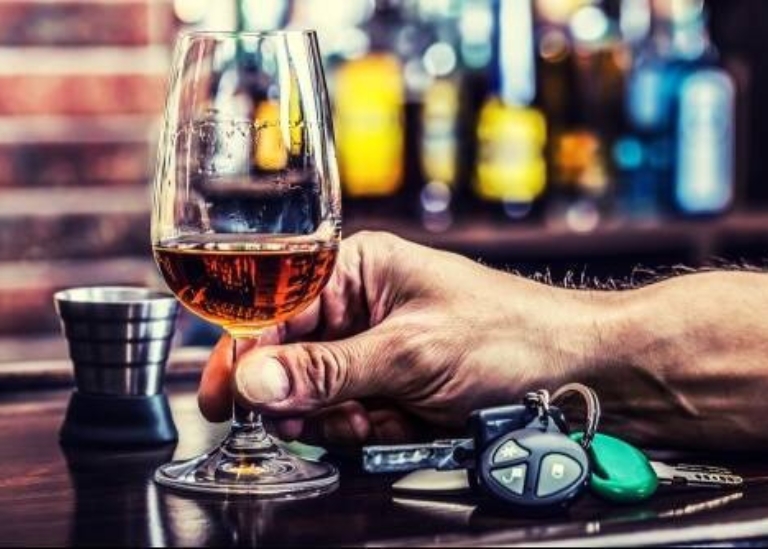
Understanding New Hampshire's Dram Shop Law: RSA 507-F
New Hampshire's dram shop law, specifically RSA 507-F, sets a unique and stringent standard for holding alcohol-serving establishments liable for harm caused by intoxicated patrons. Unlike many other states that rely on a "negligence" standard, New Hampshire requires proof of "reckless" service of alcohol. This means plaintiffs must demonstrate that the establishment consciously disregarded a substantial and unjustifiable risk that their actions would cause harm.
The key differentiator is the intent behind the service. Proving recklessness involves showing that the server or establishment knew, or should have known, that serving the individual would likely lead to dangerous intoxication and subsequent harm, and proceeded to serve them anyway. This high bar necessitates a deep understanding of the law and meticulous evidence gathering to establish the required level of culpability.
The Role of Expert Witnesses in New Hampshire Dram Shop Cases
In New Hampshire, where the "reckless service" standard is paramount, the role of a specialized dram shop expert witness becomes indispensable. These experts bridge the gap between complex legal requirements and the practical realities of alcohol service. They possess the knowledge to analyze the specific circumstances of a case, interpret industry standards, and explain to the court and jury how an establishment's actions met or failed to meet the "reckless" threshold.
An experienced expert witness can meticulously examine evidence such as surveillance footage, training records, point-of-sale data, and witness statements to reconstruct the events leading up to an incident. Their testimony provides critical context, helping legal teams build a compelling argument that goes beyond simple over-serving to demonstrate the conscious disregard for risk required by RSA 507-F.
Key Elements of Proving "Reckless Service" in New Hampshire
Successfully litigating a dram shop case in New Hampshire hinges on proving the "reckless" nature of alcohol service. This involves demonstrating that the establishment's actions were not merely careless but involved a conscious indifference to the safety of others. Factors that contribute to proving recklessness can include a history of serving visibly intoxicated individuals, ignoring established policies for cutting off service, or serving minors despite clear indications of their age.
Evidence supporting a claim of reckless service often includes expert analysis of server behavior, management oversight, and the overall environment of the establishment. For instance, testimony might highlight a pattern of ignoring red flags, such as slurred speech, unsteady gait, or belligerent behavior, which a reasonable establishment would have recognized as indicators of severe intoxication and a high risk of harm.
Expert Analysis of Industry Standards and Best Practices
Navigating the complexities of New Hampshire's dram shop law requires an expert who thoroughly understands not only the legal statutes but also the prevailing industry standards and best practices within the hospitality sector. This includes knowledge of responsible alcohol service training programs, internal policies for identifying and managing intoxicated patrons, and the typical operational procedures of bars and restaurants.
An expert witness can leverage this knowledge to evaluate whether an establishment's actions deviated significantly from accepted industry norms, thereby contributing to a finding of recklessness. This can involve assessing the adequacy of staff training, the effectiveness of management supervision, and the implementation of protocols designed to prevent over-service and mitigate risks associated with alcohol consumption.