Understanding Dram Shop Lawsuits and Liability Cases

Dram Shop Litigation Process

Dram shop litigation involves legal claims brought against alcohol vendors when negligent alcohol service contributes to injury or death. These cases typically arise when a bar, restaurant, nightclub, or other alcohol-serving establishment provides alcohol to a visibly intoxicated person or a minor who later causes harm.

In many dram shop lawsuits, the intoxicated individual causes a drunk driving crash, assault, or other injury after leaving the establishment. Under certain circumstances, the alcohol vendor may share liability for damages resulting from the incident.

Because dram shop cases involve both legal and hospitality industry issues, attorneys often rely on expert analysis to evaluate alcohol service practices, intoxication indicators, and bartender decision-making.

Understanding how dram shop litigation works can help attorneys evaluate potential claims and determine whether alcohol service contributed to an incident.

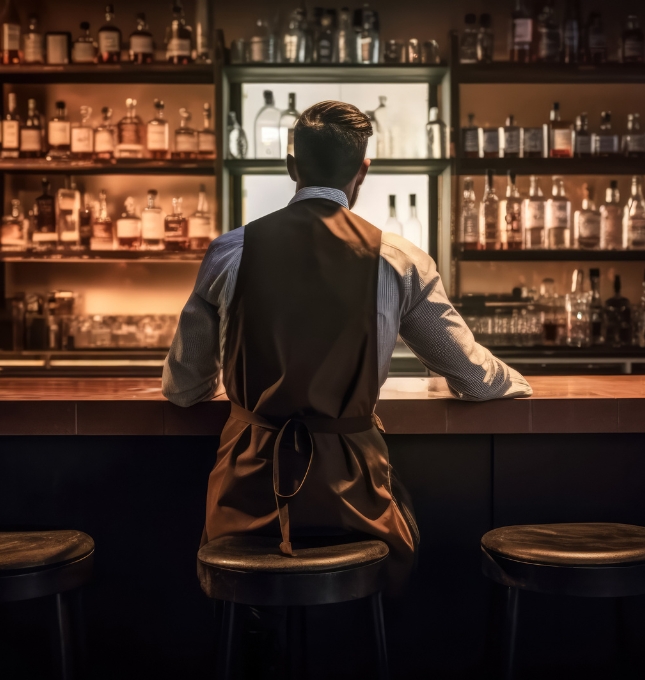
Bartender in an apron at a bar counter, surrounded by shelves of liquor bottles, representing alcohol service practices relevant to dram shop liability analysis.

What Is Dram Shop Litigation?

Dram shop litigation refers to legal proceedings involving claims against alcohol vendors for negligent alcohol service.

Dram shop statutes allow injured parties to pursue claims against establishments that serve alcohol when:

These laws are designed to encourage responsible alcohol service and provide a legal remedy for individuals harmed by intoxicated persons.

Dram shop lawsuits often involve complex factual questions regarding alcohol consumption, intoxication, and hospitality industry practices.

Common Dram Shop Liability Cases

Dram shop litigation frequently arises in situations where alcohol service contributes to dangerous behavior.

Common dram shop liability cases include:

Drunk Driving Accidents

One of the most common dram shop claims involves drunk driving crashes caused by intoxicated patrons who were served alcohol at an establishment.

Alcohol-Related Assaults

Bars and nightclubs may face liability when intoxicated patrons engage in violent behavior that results in injury.

Service to Minors

Many dram shop statutes impose liability when alcohol vendors serve alcohol to individuals who are under the legal drinking age.

Patron Injury Incidents

Intoxicated patrons may suffer falls or other injuries after being served excessive amounts of alcohol.

These cases often require careful analysis of alcohol service practices and intoxication indicators.

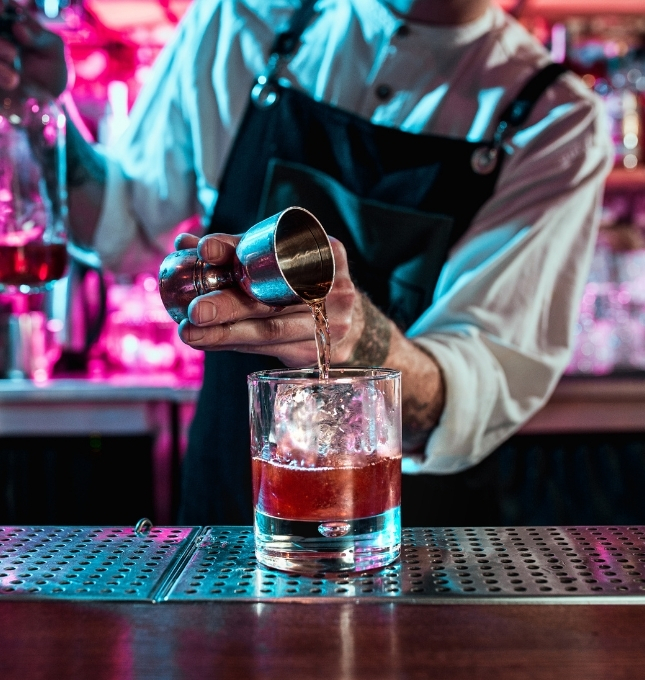
Bartender pouring a cocktail into a glass with ice, highlighting alcohol service in a bar setting related to dram shop liability.

Key Elements of a Dram Shop Lawsuit

Although dram shop laws vary by state, many lawsuits involve similar legal elements.

Attorneys typically must demonstrate that:

Establishing these elements often requires both factual evidence and expert analysis.

Evidence in Dram Shop Litigation

Glass of beer on a wooden table in a cozy bar setting, emphasizing alcohol service and dram shop liability context.

Dram shop cases often involve multiple types of evidence used to determine whether negligent alcohol service occurred.

Common evidence includes:

This evidence helps attorneys determine whether alcohol service practices complied with responsible service standards.

Role of Expert Witnesses in Dram Shop Litigation

Expert witnesses frequently play an important role in dram shop lawsuits.

A dram shop expert witness may analyze:

Expert testimony helps courts understand hospitality industry standards and whether alcohol service practices were appropriate under the circumstances.

For more information about expert witness services, see:

Bartender pouring a cocktail into a glass with ice, highlighting alcohol service in a bar setting related to dram shop liability.

Evaluating Signs of Visible Intoxication

A central issue in many dram shop lawsuits is whether the patron was visibly intoxicated at the time alcohol was served.

Alcohol servers are trained to recognize observable signs of intoxication and discontinue alcohol service when those signs appear.

Common indicators of intoxication include:

Attorneys often rely on witness statements and expert analysis to determine whether these signs were present.

For additional information about intoxication indicators, see:

Alcohol Service Standards and Liability

Responsible alcohol service standards require bartenders and servers to monitor patrons and stop serving alcohol when intoxication becomes apparent. Failure to follow these standards may contribute to liability in dram shop litigation. Courts frequently evaluate whether alcohol vendors followed accepted hospitality industry practices when serving alcohol. Expert witnesses may review alcohol service policies, bartender training, and other operational factors to determine whether the establishment acted negligently. For more information about alcohol service standards, see:

Steps in a Dram Shop Lawsuit

Dram shop litigation typically follows several stages during the legal process.

Case Investigation

Attorneys investigate the circumstances surrounding the incident and evaluate whether alcohol service may have contributed to the injury.

Evidence Collection

Evidence such as surveillance footage, bar receipts, and witness statements is gathered to determine how alcohol was served.

Expert Witness Analysis

Expert witnesses review the available evidence and evaluate whether alcohol service practices complied with industry standards.

Depositions and Discovery

Parties exchange evidence and conduct depositions to develop the factual record of the case.

Trial or Settlement

Many dram shop cases resolve through settlement, although some proceed to trial where expert testimony may be presented.

Relationship Between Dram Shop Litigation and Liquor Liability

Dram shop litigation is closely related to liquor liability claims involving negligent alcohol service. Liquor liability cases often involve similar issues, including overserving alcohol, visible intoxication, and bartender responsibilities. For additional information about liquor liability, see:

Request Expert Consultation

Attorneys may request:

curriculum vitae

fee schedule

case consultation

Expert witness services are available to assist attorneys in analyzing alcohol service practices and hospitality industry standards in dram shop litigation.

Send Your Have Any Questions?

Book An Appointment