Responsible Alcohol Service Practices for Bars and Restaurants

Alcohol Service Standards

Alcohol service standards establish the guidelines that bartenders, servers, and alcohol vendors must follow when serving alcoholic beverages. These standards are designed to promote responsible alcohol service, reduce alcohol-related harm, and ensure that establishments comply with licensing regulations.

Bars, restaurants, and other hospitality establishments that serve alcohol are expected to monitor patrons, recognize signs of intoxication, and stop alcohol service when a person becomes visibly intoxicated. Responsible alcohol service practices help prevent overserving and reduce incidents involving intoxicated patrons.
In many dram shop and liquor liability cases, attorneys evaluate whether an establishment followed accepted alcohol service standards when serving alcohol. Expert witnesses often analyze alcohol service practices to determine whether the establishment acted responsibly or negligently.

Understanding alcohol service standards is essential for evaluating bartender conduct and alcohol vendor responsibilities.

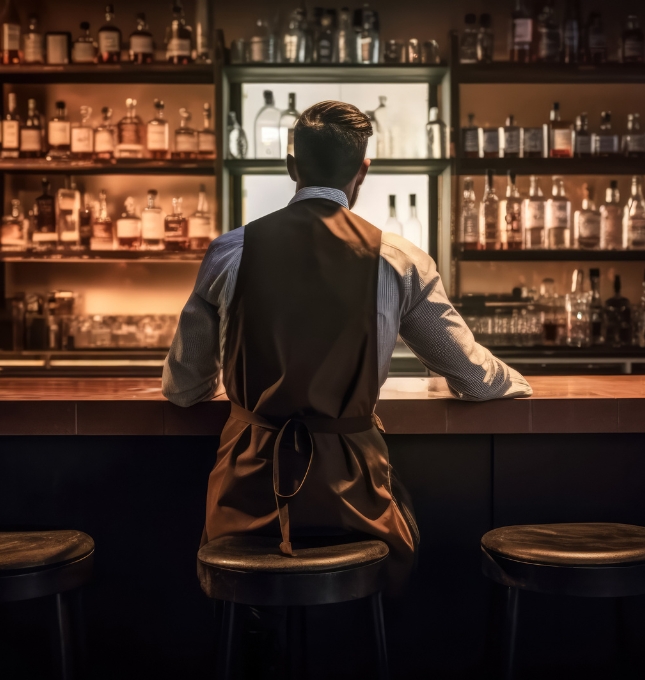
Bartender in an apron at a bar counter, surrounded by shelves of liquor bottles, representing alcohol service practices relevant to dram shop liability analysis.

What Are Alcohol Service Standards?

Alcohol service standards are the accepted industry guidelines that govern how alcoholic beverages are served in bars, restaurants, nightclubs, and other hospitality establishments.

These standards are intended to promote responsible alcohol service and ensure that alcohol vendors comply with legal and safety requirements.

Alcohol service standards commonly address:

These guidelines form the foundation of responsible alcohol service training programs used throughout the hospitality industry.

Responsible Alcohol Service

Glass of beer on a wooden table in a cozy bar setting, emphasizing alcohol service and dram shop liability context.

Responsible alcohol service refers to the practice of serving alcoholic beverages in a manner that protects the safety of patrons and the public.

Responsible service practices require bartenders and servers to monitor patrons and take action when intoxication becomes apparent.

Responsible alcohol service typically includes:

These practices are designed to reduce alcohol-related incidents and promote safe hospitality environments.

Bartender Alcohol Service Rules

Bartenders play a central role in maintaining responsible alcohol service within an establishment. Because bartenders interact directly with patrons, they must monitor alcohol consumption and recognize when alcohol service should be stopped.

Common bartender alcohol service rules include:

These rules are commonly included in bartender training programs and hospitality industry guidelines.

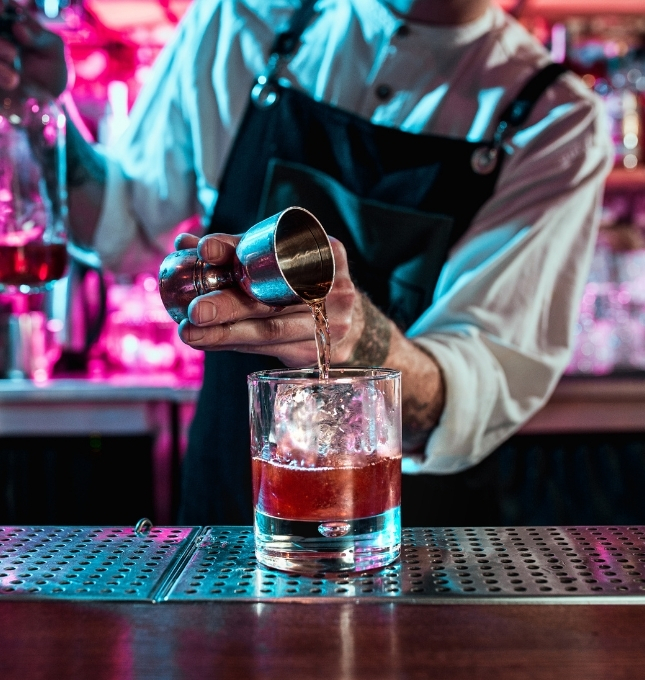
Bartender pouring a cocktail into a glass with ice, highlighting alcohol service in a bar setting related to dram shop liability.

Recognizing Signs of Intoxication

One of the most important responsibilities of alcohol servers is recognizing signs of intoxication. When a patron becomes visibly intoxicated, responsible alcohol service standards require that alcohol service be discontinued.

Common indicators of intoxication may include:

Servers and bartenders must remain attentive to these signs to prevent overserving alcohol. For additional information about intoxication indicators, see:

Preventing Overserving Alcohol

Bar interior with empty stools, illuminated counter, and shelves of liquor bottles, representing responsible alcohol service and dram shop liability reduction strategies.

Overserving alcohol occurs when an establishment continues to serve alcohol to a patron who is visibly intoxicated. Preventing overserving is a key component of responsible alcohol service.

Establishments may implement several practices to reduce the risk of overserving, including:

Overserving alcohol occurs when an establishment continues to serve alcohol to a patron who is visibly intoxicated. Preventing overserving is a key component of responsible alcohol service.

Establishments may implement several practices to reduce the risk of overserving, including:

These practices help establishments reduce alcohol-related incidents and comply with responsible alcohol service standards.

For more information about overserving alcohol, see:

Alcohol Service Training Programs

Many establishments require bartenders and servers to complete responsible alcohol service training programs. These programs teach alcohol service standards and help staff recognize intoxicated patrons.

Common alcohol service training programs include:

Training programs typically focus on:

These programs help ensure that hospitality staff follow responsible alcohol service practices.

Alcohol Service Standards and Dram Shop Liability

Alcohol Service Standards and Dram Shop Liability Failure to follow alcohol service standards may contribute to liability in dram shop and liquor liability cases. When an intoxicated patron causes injury after being served alcohol, attorneys may investigate whether the establishment complied with responsible service practices. Courts often evaluate whether bartenders or servers ignored signs of intoxication or continued alcohol service when they should have stopped. Expert witnesses may analyze alcohol service practices to determine whether the establishment followed accepted hospitality industry standards. For additional information about dram shop laws, see:

Evidence Reviewed in Alcohol Service Cases

When alcohol service practices are questioned in litigation, multiple forms of evidence may be reviewed.

Evidence may include:

Expert witnesses review this evidence to determine whether alcohol service practices complied with accepted standards.

Expert Witness Analysis of Alcohol Service Standards

Ryan Dahlstrom, expert witness in premises liability, wearing a blue suit, standing confidently in a professional setting, emphasizing operational expertise for legal consultations.

Expert witnesses are often retained to analyze alcohol service practices in dram shop and liquor liability cases.

An expert witness may evaluate:

Expert testimony helps courts understand whether the establishment followed accepted hospitality industry practices when serving alcohol.

For more information about expert witness services, see:

Request Expert Consultation

Attorneys may request:

CV

fee schedule

case consultation

Send Your Have Any Questions?

Book An Appointment