Dram Shop Experts provides expert witness services specializing in alcohol-related liability cases, including negligence in bar operations, over-serving, intoxication management, and compliance with state dram shop laws.
Texas Safe Harbor
In Texas dram shop cases, the Safe Harbor defense often decides whether a licensee answers for an employee’s service. This guide lists the elements of the defense under Texas Alcoholic Beverage Code section 106.14(a) and the records that bear on each one, for plaintiff and defense counsel alike.
Under Texas Alcoholic Beverage Code section 106.14(a), an employee’s actions are not attributable to the employer when three conditions are met:
In 20801, Inc. v. Parker, 249 S.W.3d 392 (Tex. 2008), the Supreme Court of Texas held that the employer bears the burden of proving the elements of the defense. TABC’s own guidance on Safe Harbor also points to its administrative rule at 16 Texas Administrative Code section 34.4. Counsel should confirm the statute and rule versions in effect on the incident date.
This element turns on how the venue actually operated, not only on what its policies said. Records that bear on it include:
For each element, record the document, its date, what it shows, any record that conflicts with it, and the follow-up needed. The legal effect of those facts is for counsel and the court. An operations expert can address whether the training program, supervision, and practices on the floor matched what the policies required and what the hospitality industry expects.
Enter your name, email, and firm below and the file will download immediately. Every item on this page is also available to read above at no cost.
This resource is educational and does not provide legal advice. Counsel determines preservation obligations, applicable law, and case strategy in each matter.
Under Texas Alcoholic Beverage Code section 106.14(a), an employee’s actions are not attributable to the employer if the employer requires approved seller training, the employee actually attended it, and the employer did not directly or indirectly encourage the violation.
In 20801, Inc. v. Parker, 249 S.W.3d 392 (Tex. 2008), the Supreme Court of Texas held that the employer bears the burden of proving the elements of the defense.
No. A certificate speaks to whether the employee attended training. The defense also requires that the employer required the training and did not directly or indirectly encourage the violation, which turns on incentives, promotions, staffing, supervision, and management practices.
An operations expert can compare the venue’s incentives, promotions, staffing, and supervision with its written policies and with industry practice. Whether those facts satisfy the statute is a legal question for counsel and the court.
Attorneys may request a curriculum vitae, fee schedule, and case consultation. Expert witness services are available to assist attorneys in analyzing alcohol service practices and dram shop liability issues.
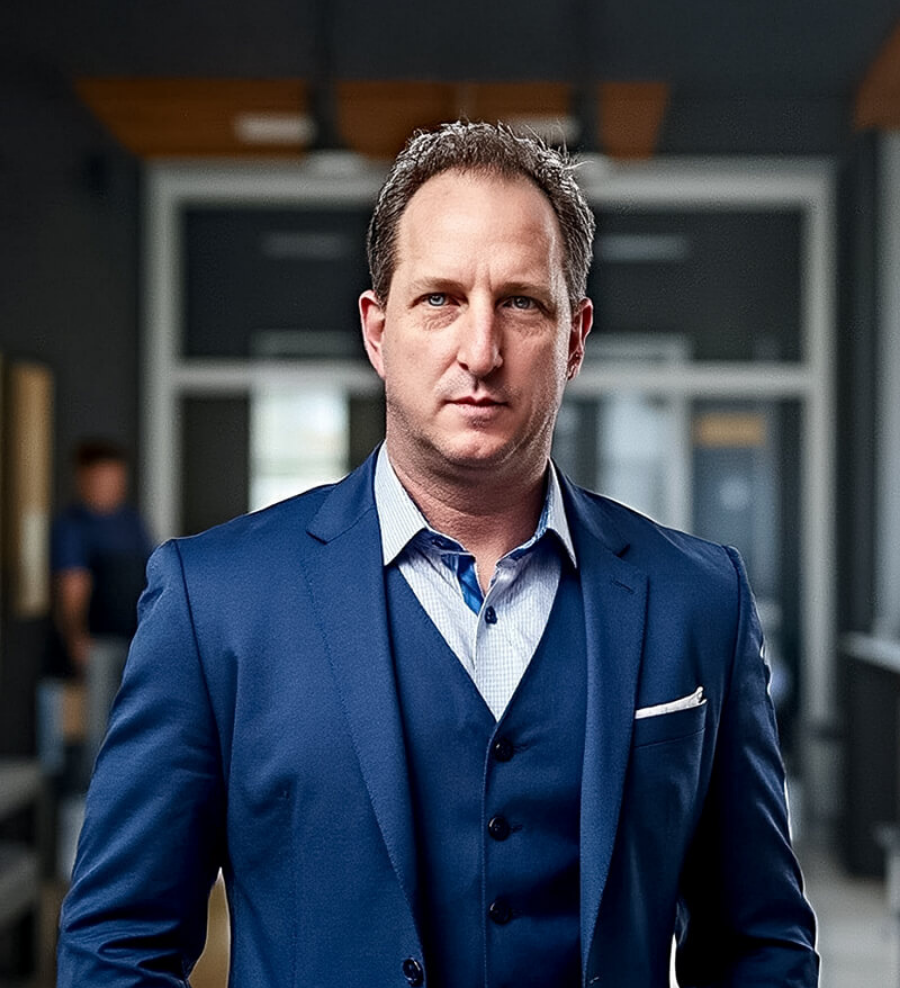
Ryan Dahlstrom is an expert witness with over 35 years of hands-on experience in the hospitality and entertainment industries. He has managed and advised bars, restaurants, nightclubs, and multi-unit operations across the United States, and he specializes in cases involving dram shop liability, negligent security, and responsible alcohol service practices.
Ryan has been retained by both plaintiff and defense attorneys nationwide to provide expert opinions, deposition testimony, and courtroom analysis in complex alcohol-related cases. His deep understanding of state dram shop statutes, Safe Harbor protections, intoxication timeline analysis, and security standards makes him a trusted authority in litigation involving overservice, intoxication, and venue liability.