Industry Standards and Legal Obligations

Responsible Beverage Service: Industry Standards and Legal Obligations

Responsible beverage service is the operational standard that defines how a licensed alcohol vendor must manage the sale and service of alcoholic beverages to avoid foreseeable harm to patrons and third parties. In dram shop litigation, the question of whether a venue met the responsible beverage service standard is often the central issue in the case. An expert witness evaluates whether the venue’s training programs, service policies, and management practices met the standard that applies in the relevant jurisdiction.

By Ryan Dahlstrom

Dram Shop Expert Witness | Last Updated: April 2026

What Is Responsible Beverage Service

Responsible beverage service refers to the practices, policies, and training that alcohol-serving establishments are expected to implement to prevent over-service, service to minors, and service to visibly intoxicated patrons. It encompasses both the formal training programs servers complete and the operational policies the venue enforces on the floor.

Recognized Training Programs

The following responsible beverage service training programs are widely recognized as industry standard across the United States:

TIPS (Training for Intervention Procedures)

The most widely recognized national RBS training program. Covers intoxication recognition, refusal of service procedures, and intervention techniques. Used in 50 states and accepted in most jurisdictions as evidence of a good-faith effort to train staff.

ServSafe Alcohol

Operated by the National Restaurant Association. Focuses on alcohol service in restaurant and food service environments. Covers ID checking, signs of intoxication, and state alcohol laws.

TABC Certification (Texas)

Mandatory for alcohol servers in Texas under the Texas Alcoholic Beverage Code. Completion of TABC certification is a component of the Safe Harbor defense under Texas law.

State-Specific Programs

Many states operate their own mandated RBS certification programs through their ABC or liquor control agencies. The applicable program varies by jurisdiction.

Venue Policy Requirements

Training certification alone is not sufficient to establish that a venue met the responsible beverage service standard. The venue must also maintain and enforce written policies governing alcohol service. These policies typically address: intoxication identification and refusal of service procedures, ID verification requirements for age verification, drink limits or cut-off procedures, documentation requirements when service is refused or a patron is removed, and management oversight responsibilities.

An expert evaluates whether these policies existed, whether they were communicated to staff, and whether management enforced them in practice.

What a Compliance Audit Examines

When retained to evaluate whether a venue met the responsible beverage service standard, Ryan Dahlstrom reviews: server and bartender training records and certification status, written alcohol service policies and employee handbooks, point-of-sale records showing service patterns on the date in question, incident reports and refusal of service logs, staffing schedules and management oversight documentation, and any surveillance footage capturing service interactions.

How RBS Standards Apply in Litigation

In dram shop litigation, the responsible beverage service standard serves as the benchmark against which the defendant venue’s conduct is measured. For plaintiff counsel, the expert identifies where the venue’s training, policies, or management fell below the standard, and how those failures relate to the harm at issue. For defense counsel, the expert identifies where the venue met or exceeded the standard, and documents the training and policy compliance that supports a defense.

Related Resources

Request Expert Consultation

Attorneys may request a curriculum vitae, fee schedule, and case consultation. Expert witness services are available to assist attorneys in analyzing alcohol service practices and dram shop liability issues.

Ryan Dahlstrom – Dram Shop Expert Witness

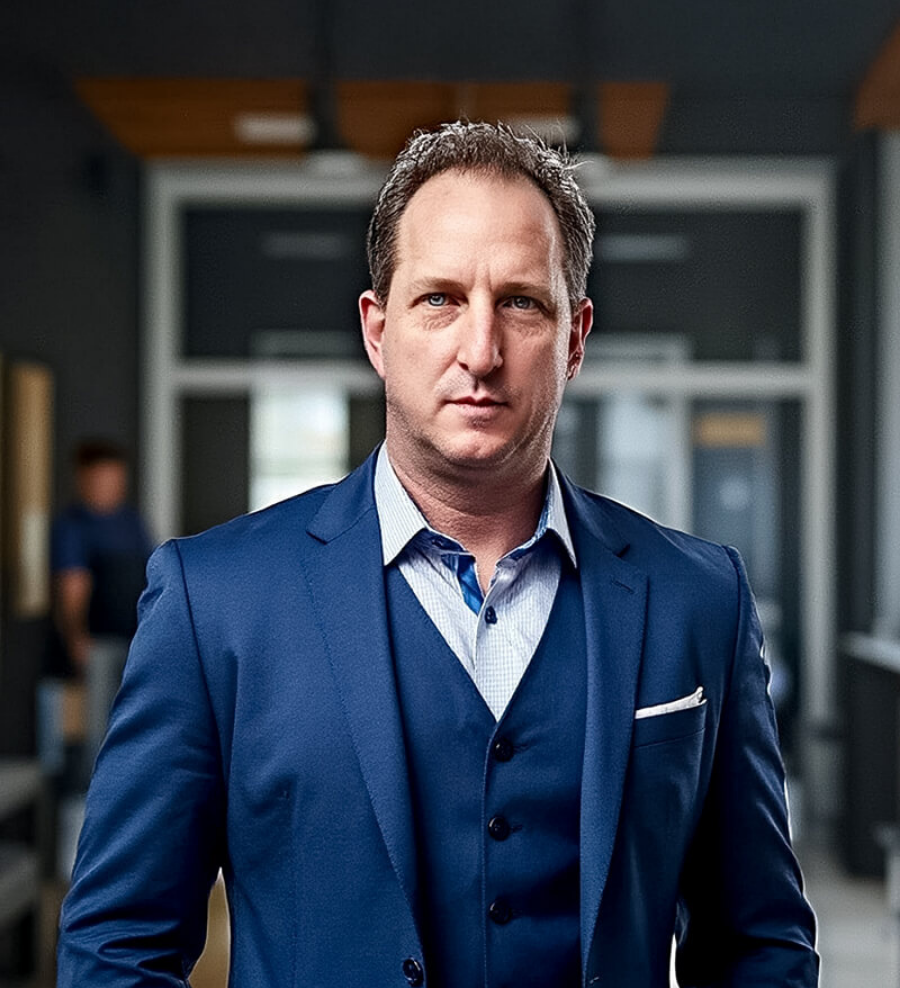
Ryan Dahlstrom is a nationally recognized expert witness with over 35 years of hands-on experience in the hospitality and entertainment industries. He has managed and advised bars, restaurants, nightclubs, and multi-unit operations across the United States, and he specializes in cases involving dram shop liability, negligent security, and responsible alcohol service practices.

Ryan has been retained by both plaintiff and defense attorneys nationwide to provide expert opinions, deposition testimony, and courtroom analysis in complex alcohol-related cases. His deep understanding of state dram shop statutes, Safe Harbor protections, intoxication timeline analysis, and security standards makes him a trusted authority in litigation involving overservice, intoxication, and venue liability.