Dram Shop Experts provides expert witness services specializing in alcohol-related liability cases, including negligence in bar operations, over-serving, intoxication management, and compliance with state dram shop laws.
Alcohol Liability and Dram Shop Litigation Guide
Dram shop laws allow injured parties to pursue legal claims against alcohol vendors when negligent alcohol service contributes to injury or death. These laws typically apply to bars, restaurants, nightclubs, and other establishments that serve alcohol to the public.
In many dram shop cases, an intoxicated individual causes an accident, assault, or other injury after being served alcohol by an establishment. Under certain circumstances, the establishment that served the alcohol may share legal responsibility for the resulting damages.
Dram shop laws are designed to encourage responsible alcohol service and prevent establishments from serving alcohol to visibly intoxicated individuals or minors.
Because dram shop statutes vary by state, attorneys handling alcohol-related injury cases must evaluate the specific legal standards that apply in their jurisdiction.
Dram shop law refers to statutes that impose liability on alcohol vendors when their service of alcohol contributes to injury or harm.
The term “dram shop” originates from historical establishments that sold alcohol by the dram, a small unit of liquor.
Today, dram shop statutes regulate alcohol service by businesses such as:
These laws are intended to promote responsible alcohol service and provide a legal remedy when negligent service leads to injury.
Dram shop statutes were enacted to reduce alcohol-related harm and hold alcohol vendors accountable for irresponsible service practices.
These laws aim to:
By imposing liability in certain circumstances, dram shop laws encourage alcohol vendors to train staff and monitor patron intoxication.
Dram shop claims most often arise when an intoxicated individual causes injury after being served alcohol.
Common dram shop cases include:
An establishment may face liability when a visibly intoxicated patron is served alcohol and later causes a drunk driving crash.
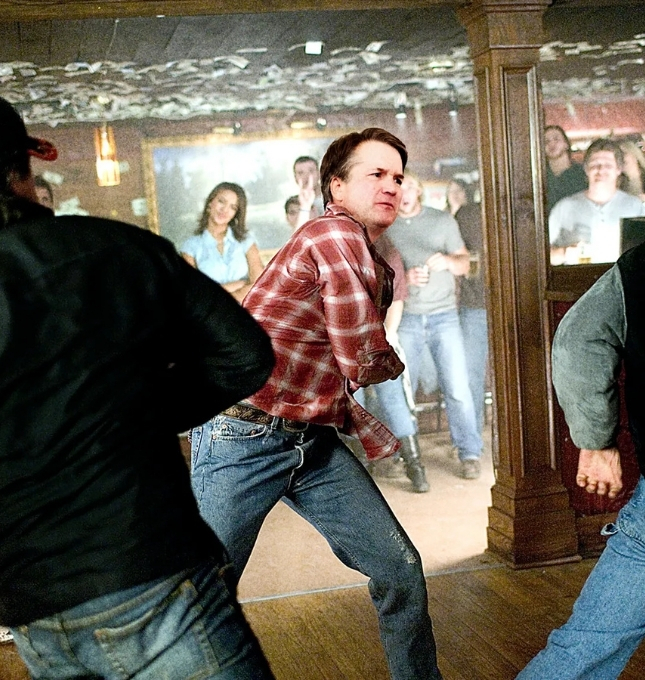
Fights and assaults may occur when intoxicated patrons become aggressive or disruptive.
Intoxicated patrons may suffer falls or other injuries after excessive alcohol service.
Many states impose liability when alcohol is served to individuals under the legal drinking age.
These cases often require careful analysis of alcohol service practices and intoxication indicators.
Although dram shop statutes vary by state, many claims involve similar legal elements.
Attorneys typically must demonstrate that:
Establishing these elements often requires evidence regarding alcohol service practices and the behavior of the intoxicated individual.
Dram shop cases frequently involve complex questions regarding alcohol service standards and hospitality industry practices.
Expert witnesses may be retained to evaluate:
Expert testimony helps courts understand whether the establishment followed accepted hospitality industry standards when serving alcohol.
Attorneys handling dram shop cases often retain a Dram Shop Expert Witness to evaluate the circumstances surrounding alcohol service and provide professional testimony.
A key issue in many dram shop cases is whether the alcohol vendor served a patron who was visibly intoxicated.
Alcohol servers are trained to recognize indicators of intoxication and discontinue alcohol service when those signs appear.
Common signs of visible intoxication include:
Expert witnesses may evaluate whether these signs were present and whether the establishment should have stopped serving alcohol.
Dram shop statutes vary significantly across the United States. Some states impose broad liability on alcohol vendors, while others limit liability to situations involving minors or specific circumstances. Attorneys handling dram shop cases must review the statutes and case law applicable in their jurisdiction. For a summary of dram shop statutes across the United States, see the Dram Shop Laws by State guide.
Dram shop cases often involve multiple forms of evidence used to determine whether negligent alcohol service occurred.
Evidence may include:
Expert analysis can help attorneys interpret this evidence and determine whether alcohol service contributed to the incident.
Attorneys handling dram shop litigation may retain expert witnesses to analyze alcohol service practices and provide professional testimony.
Expert witness services may include:
Expert testimony helps courts understand hospitality industry practices and the responsibilities of alcohol vendors.
Attorneys may request:
Expert witness services are available to assist attorneys in analyzing alcohol service practices and dram shop liability issues.
Send Your Have Any Questions?
Book An Appointment