Dram Shop Experts provides expert witness services specializing in alcohol-related liability cases, including negligence in bar operations, over-serving, intoxication management, and compliance with state dram shop laws.
Home > How Bars and Restaurants Can Reduce Dram Shop Liability
Bars, restaurants, nightclubs, and other establishments that serve alcohol face significant legal risks under dram shop laws. When staff serve alcohol to a visibly intoxicated patron or a minor, the business can be held legally responsible for injuries, accidents, or deaths that follow.
Fortunately, establishments are not powerless. By adopting responsible service practices, enforcing policies, and investing in staff training, businesses can reduce their liability exposure while also protecting customers and the community.
This page outlines proven strategies for reducing dram shop liability, including training, written policies, documentation, security, and expert consultation.
Well-trained staff are the first line of defense against overservice. When servers and bartenders understand how to recognize visible intoxication and refuse service appropriately, the likelihood of liability decreases.
Training should not be a one-time event. Regular refresher courses, roleplay exercises, and management-led reminders keep responsible service practices fresh in employees’ minds.
Written alcohol service policies provide clear expectations for staff and demonstrate that management takes compliance seriously. Courts and regulators often view written policies as evidence of proactive risk management.
ID Verification – Require ID checks for anyone under a set age (e.g., 30).
Refusal of Service – Outline when and how to cut off intoxicated patrons.
Documentation – Require written reports for refusals, disturbances, or incidents.
Incident Escalation – Detail when to involve managers or security.
Policies must be more than paperwork. They should be included in employee handbooks, discussed during staff meetings, and enforced consistently by management.
Security staff are often the first to notice disruptive or intoxicated behavior. They also play a key role in preventing fights, assaults, and accidents.
If an establishment has a history of fights or alcohol-related incidents, courts may expect enhanced security. Failure to provide adequate security can increase liability exposure.
Experts help management understand how courts will evaluate policies and procedures, making compliance more litigation-proof.
In states like Texas, Safe Harbor protections shield businesses from liability if they meet training and enforcement requirements.
Protection is usually lost if managers themselves overserve or if the business fails to enforce its own rules.
These mistakes often surface during litigation and weaken the defense.
Businesses that adopt best practices are better positioned to defend against lawsuits.
Dram shop liability is a serious risk for any alcohol-serving business, but it is also preventable. By prioritizing staff training, enforcing written policies, documenting incidents, maintaining strong security practices, and consulting with experts, establishments can significantly reduce their exposure.
For attorneys, these measures provide a framework for evaluating liability. For businesses, they represent a proactive strategy that saves lives, protects reputations, and strengthens the bottom line.
Ultimately, reducing dram shop liability is about more than avoiding lawsuits, it is about creating a culture of responsibility that benefits both businesses and the communities they serve.
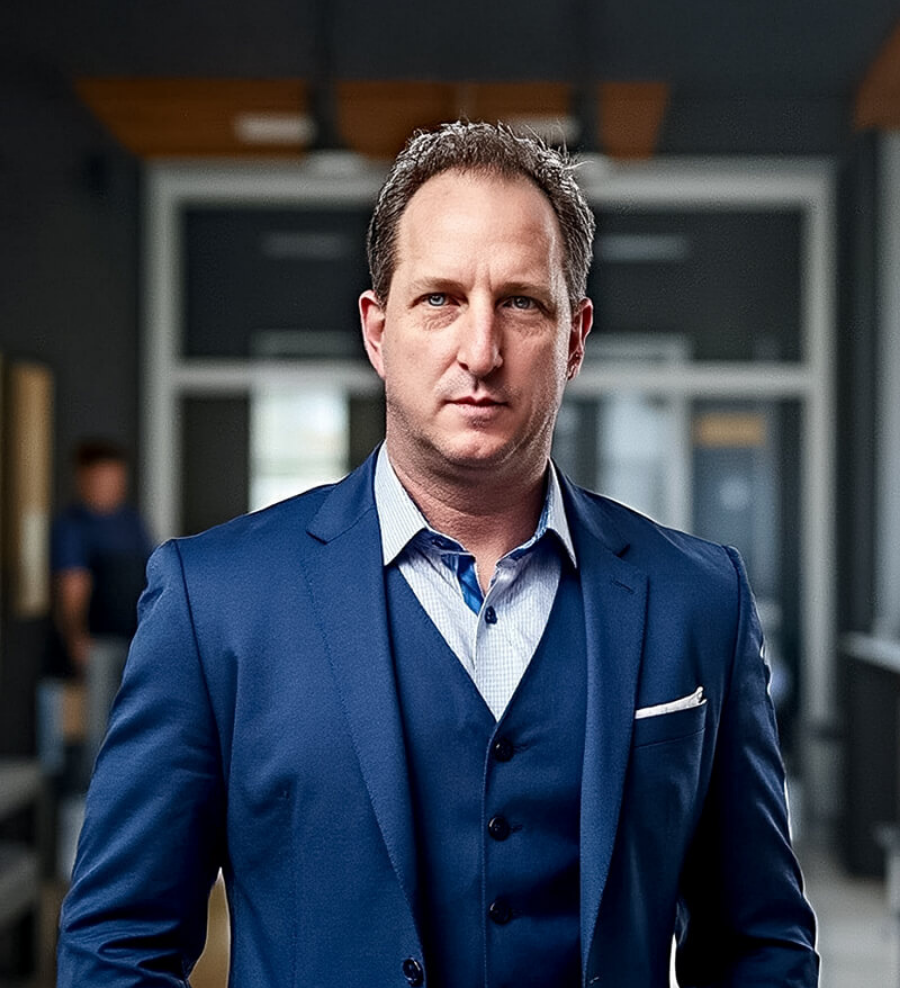
Ryan Dahlstrom is a nationally recognized expert witness with over 35 years of hands-on experience in the hospitality and entertainment industries. He has managed and advised bars, restaurants, nightclubs, and multi-unit operations across the United States, and he specializes in cases involving dram shop liability, negligent security, and responsible alcohol service practices.
Ryan has been retained by both plaintiff and defense attorneys nationwide to provide expert opinions, deposition testimony, and courtroom analysis in complex alcohol-related cases. His deep understanding of state dram shop statutes, Safe Harbor protections, intoxication timeline analysis, and security standards makes him a trusted authority in litigation involving overservice, intoxication, and venue liability.