Understanding Blood Alcohol Content (BAC)
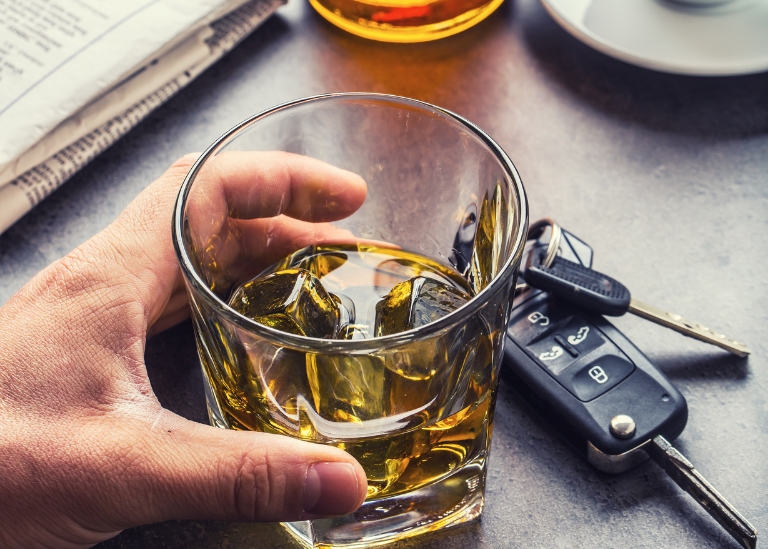
Blood Alcohol Content (BAC) is a critical measure in assessing alcohol impairment and is often a focal point in legal cases involving alcohol-related incidents. BAC indicates the percentage of alcohol in a person's bloodstream and can significantly influence liability determinations in dram shop cases.
For instance, a BAC of 0.08% is generally considered the legal limit for driving in many jurisdictions. Understanding how BAC is calculated and the factors that influence it, such as body weight, metabolism, and the type of alcohol consumed, is essential for accurately reconstructing a patron's consumption patterns and evaluating potential liability.
Legal Implications of Alcohol Service
The legal implications surrounding alcohol service are vast and can lead to significant liability for establishments that fail to adhere to responsible serving practices. Understanding these implications is crucial for both bar owners and patrons, as negligence in alcohol service can result in severe legal consequences.
For example, if a bar serves alcohol to a visibly intoxicated patron who subsequently causes harm, the establishment may be held liable under dram shop laws. This highlights the importance of training staff to recognize signs of intoxication and implement responsible service policies to mitigate risks.
Best Practices for Staff Training
Implementing best practices for staff training is essential in promoting responsible alcohol service and minimizing liability risks. Comprehensive training programs equip staff with the knowledge and skills necessary to identify signs of intoxication and manage patrons effectively.
Training should include modules on recognizing intoxication, understanding legal responsibilities, and learning intervention techniques. For instance, programs like TIPS (Training for Intervention Procedures) provide valuable resources that empower staff to make informed decisions and ensure a safe environment for all patrons.
Case Studies in Dram Shop Liability
Analyzing case studies in dram shop liability provides valuable insights into how courts interpret alcohol-related incidents and the factors that influence their decisions. These real-world examples can illustrate the importance of proper alcohol service and the consequences of negligence.
For instance, a case where a bar was found liable for serving an intoxicated patron who later caused an accident can highlight the critical nature of adhering to responsible service practices. Understanding these case studies helps establishments recognize potential pitfalls and reinforces the need for comprehensive training and adherence to regulations.