Liquor Liability Expert Witness
Dram Shop Expert Witness │ Ryan Dahlstrom
35+ Years of Hospitality Operations Experience │ Plaintiff and Defense │ All 50 States
By Ryan Dahlstrom | Dram Shop and Hospitality Liability Expert Witness
Last Updated: April 2026
What a Dram Shop Expert Witness Does
A dram shop expert witness analyzes whether a bar, restaurant, or alcohol vendor violated alcohol service standards that contributed to injury or death.
Attorneys retain dram shop experts to evaluate:
- overserving alcohol
- visible intoxication
- alcohol service training
- bartender conduct
- bar and restaurant policies
- negligent alcohol service
- liquor liability exposure
Dram shop experts frequently testify in cases involving:
- DUI injury cases
- wrongful death
- bar overserving
- nightclub liability
- restaurant alcohol service negligence
- premises liability involving alcohol
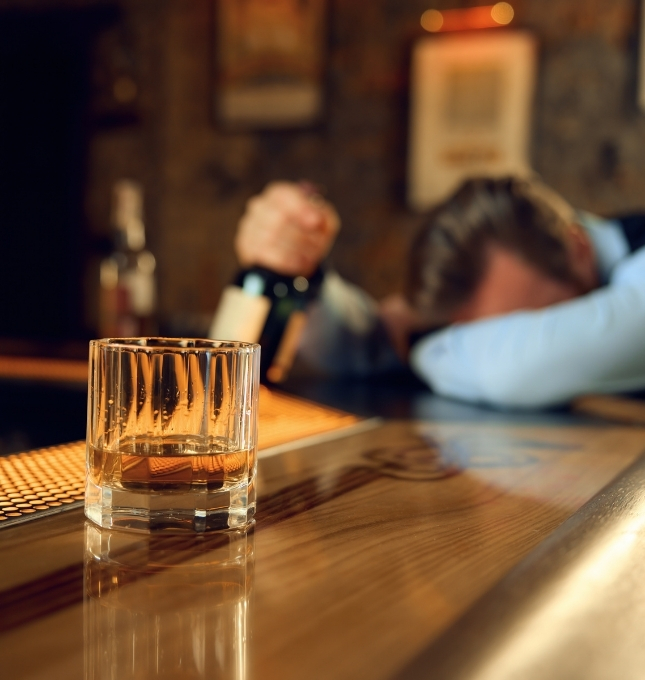
Dram Shop Expert vs. Dram Shop Expert Witness
The terms Dram Shop Expert and Dram Shop Expert Witness are related but not identical. A Dram Shop Expert is any professional with extensive knowledge of alcohol service, liquor liability, and industry standards. They may provide consulting, analysis, or behind-the-scenes support in a case.
A Dram Shop Expert Witness is a professional formally retained to offer sworn testimony in depositions and at trials. They produce reports, affidavits, and courtroom testimony that meet the evidentiary standards required by courts. Not every Dram Shop Expert becomes an expert witness. Some are hired only for consulting, helping attorneys analyze case strengths and weaknesses before trial. Others, like Ryan Dahlstrom, provide both consulting and courtroom testimony.
For attorneys, this distinction is crucial: whether you need background analysis, trial testimony, or both, the right expert can dramatically influence case outcomes.
Expert Witness Admissibility and Qualifications
How Courts Define Expert Witness
Under Federal Rule of Evidence 702 (and corresponding state rules), an expert witness is qualified by knowledge, skill, experience, training, or education. In dram shop cases, this often includes years of hands-on management of alcohol-serving venues, certification in responsible alcohol service programs, or extensive background in hospitality operations.
How Experts Are Admitted in Court
Before testimony, courts may hold a Daubert or Frye hearing to determine whether the expert's testimony is reliable and relevant. Attorneys must demonstrate that the witness's knowledge will help the jury understand industry standards, safe alcohol service, and whether negligence occurred.
Dram Shop Expert Witness Credentials
Example:
- 40+ years hospitality and bar management
- restaurant and nightclub operations
- alcohol service training programs
- liquor liability consulting
- expert witness testimony experience
- bar safety and compliance consulting
Case Review
Evaluation of bar operations and alcohol service practices.
Expert Reports
Written reports explaining negligent alcohol service.
Depositions
Expert testimony regarding alcohol service standards.
Trial Testimony
Professional testimony explaining industry standards and negligence.
Incident Reconstruction
Analysis of alcohol consumption, bar service, and intoxication.
How Ryan Dahlstrom Assists Attorneys
Pre-Litigation Services
One of the most valuable times to involve an expert is before a lawsuit is filed. Early consultation allows attorneys to evaluate the strength of potential claims or defenses.
Experts analyze available evidence such as police reports, incident logs, surveillance footage, and medical records. Their review helps attorneys assess whether overservice or visible intoxication is provable.
By applying industry knowledge, experts identify whether a claim is worth pursuing or defending. They may recommend additional discovery requests, highlight weak evidence, or confirm strong liability factors.
Attorneys often rely on experts to shape discovery strategies, including which records to subpoena and which witnesses to depose. Experts ensure that attorneys request the right operational, training, and service documentation.
Benefits of Early Expert Involvement
Attorneys who involve experts early enjoy several advantages: Sharper Discovery — Experts identify which documents and records are critical. Stronger Case Theories — Early analysis allows attorneys to refine legal strategies. Settlement Leverage — Expert opinions may encourage favorable settlements before trial. Reduced Surprises — Potential weaknesses are identified and addressed early. Waiting until trial preparation to bring in an expert often reduces their effectiveness.
Dram Shop Litigation Analysis


A dram shop expert evaluates evidence including:
- surveillance footage
- bartender witness statements
- alcohol receipts and tabs
- toxicology reports
- alcohol service training records
- bar operating policies
- staff training documentation
The expert determines whether the establishment served alcohol to a visibly intoxicated person or minor in violation of dram shop law.

Common indicators include:
- slurred speech
- impaired balance
- aggressive behavior
- glassy eyes
- slowed reaction time
- excessive alcohol consumption
These indicators are central to dram shop liability cases.
Attorneys frequently request expert testimony for cases involving:
- Texas dram shop law
- Illinois dram shop act
- Florida alcohol liability
- California alcohol service liability
Attorneys typically retain dram shop experts to:
- review evidence
- evaluate alcohol service policies
- prepare expert reports
- testify regarding bar industry standards
Expert witness services may include:
- consulting
- expert reports
- depositions
- trial testimony


Dram Shop Expert Witness FAQ
35+ Years Experience
Across hospitality, entertainment, and legal industries.
What does a dram shop expert witness do?
A dram shop expert evaluates whether an alcohol vendor violated alcohol service standards that contributed to injury or death.
When should attorneys hire a dram shop expert?
Typically after filing a dram shop claim or when evaluating bar negligence.
What evidence does a dram shop expert review?
Receipts, surveillance footage, bartender testimony, toxicology reports, and alcohol service training records.
What is visible intoxication?
Visible intoxication refers to observable signs that a person is impaired by alcohol.
Request Expert Consultation
Attorneys may request:
CV
fee schedule
case consultation
Send Your Have Any Questions?
Book An Appointment